
The Impact of Local Culture on Transportation Design in Pittsburgh
Understanding Pittsburgh's Unique Transportation Landscape
Pittsburgh, with its rich industrial history and unique topography, presents a fascinating case study in how local culture influences transportation design. The city’s hilly terrain and numerous rivers have shaped not only its infrastructure but also the way people move around.

Historically, Pittsburgh's development as a steel industry hub necessitated a robust transportation network to support its booming economy. This has left a lasting imprint on the city’s layout, with bridges, tunnels, and inclines becoming iconic symbols of Pittsburgh's identity.
The Role of Pittsburgh's Geography
The city's geography has been a significant factor in shaping its transportation solutions. The numerous hills and three rivers require creative infrastructure, leading to the construction of over 440 bridges. These structures are not just functional; they are a testament to the city's resilience and ingenuity.
The winding roads and steep inclines have also influenced the choice of public transportation options. The Duquesne and Monongahela Inclines are not only tourist attractions but practical solutions for navigating the city’s challenging terrain.
Incorporation of Local Culture
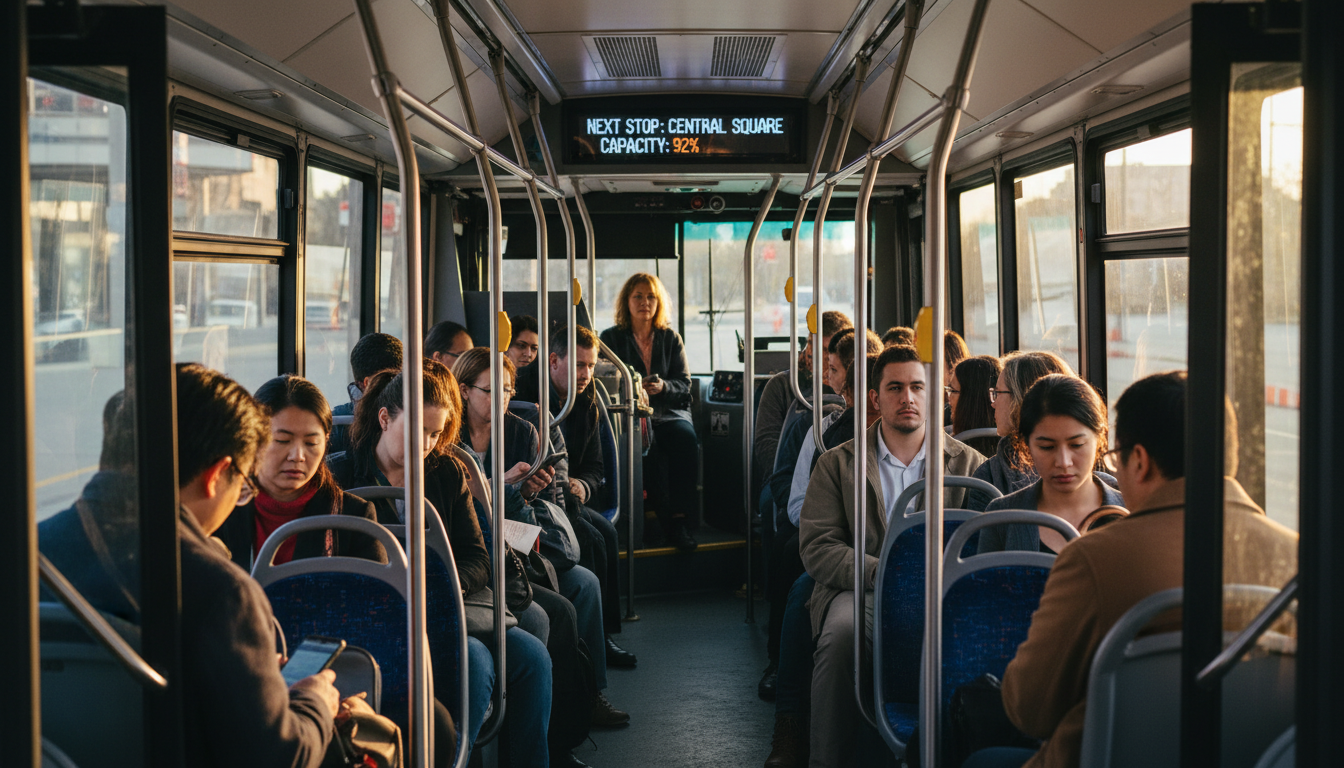
Transportation design in Pittsburgh reflects its local culture, emphasizing community connectivity. The Port Authority of Allegheny County operates a network of buses and light rail systems that connect diverse neighborhoods, fostering a sense of unity among residents.
Moreover, the city’s commitment to sustainability is evident in its transportation planning. Initiatives to enhance pedestrian and cycling infrastructure show a dedication to reducing carbon emissions and promoting healthier lifestyles.

Challenges and Innovations
Despite its achievements, Pittsburgh faces challenges in updating its aging infrastructure. The city is investing in modernizing its public transit systems and exploring smart city technologies to improve efficiency and accessibility.
Recent innovations include the introduction of electric buses and the development of mobile apps to provide real-time transit information. These efforts aim to make transportation more convenient and environmentally friendly.
The Future of Transportation in Pittsburgh
Looking forward, Pittsburgh is poised to embrace new trends in transportation design. The city’s commitment to innovation, combined with its rich cultural heritage, positions it as a leader in developing sustainable and inclusive transportation solutions.
As Pittsburgh continues to evolve, its transportation systems will remain a vital part of its identity, reflecting the city’s adaptability and forward-thinking spirit.